Contractor Pollution Liability for spray foam contractors
Spray foam chemicals — MDI isocyanate, polyols, amine catalysts, and blowing agents — are classified as pollutants under most GL forms. CPL covers the bodily injury, property damage, and remediation costs that standard GL excludes.
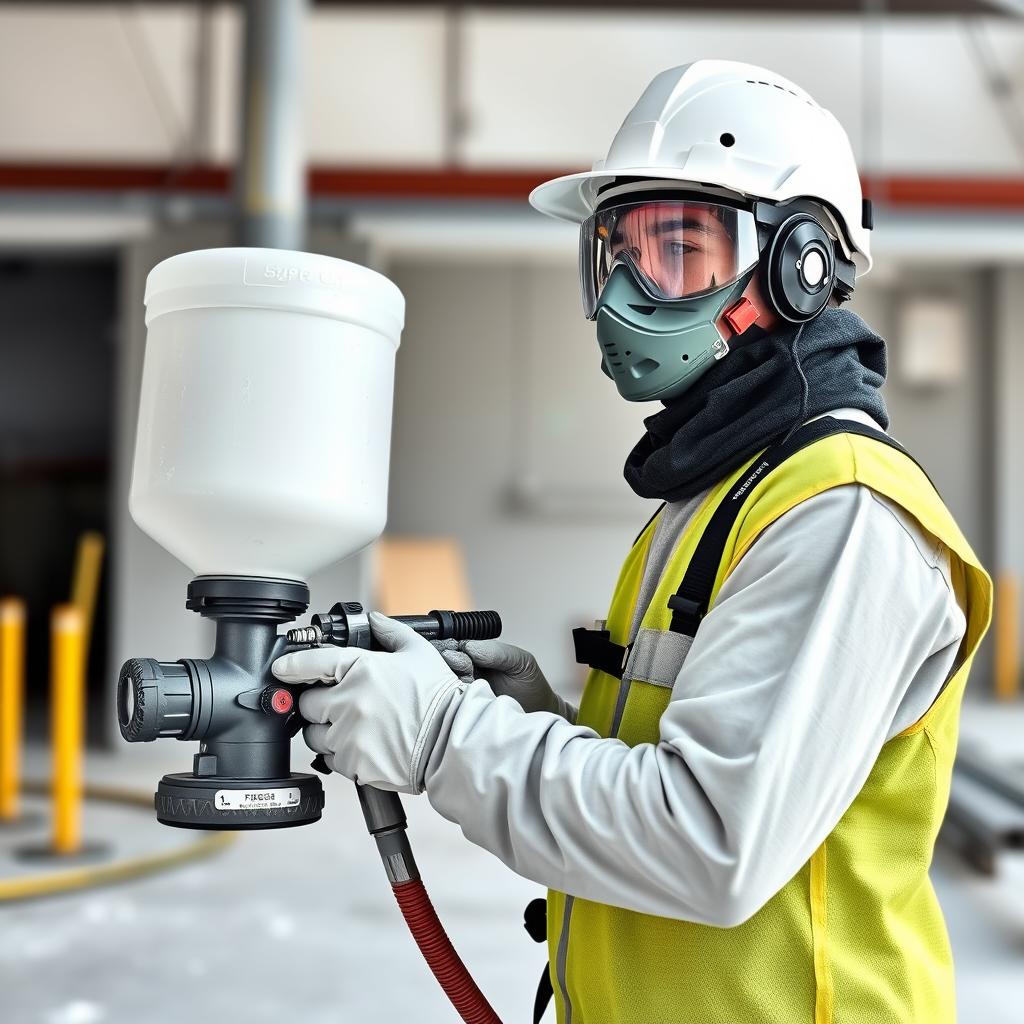
What it covers
- Bodily injury from chemical exposure during spray foam application
- Property damage from chemical off-gassing in occupied or adjacent spaces
- Cleanup and remediation costs following a chemical release
- Third-party claims from neighboring properties or building occupants
- Defense costs for pollution and chemical exposure claims
- On-site and off-site pollution incidents during transport
Who it's for
- All spray foam applicators — MDI exposure is universal in the trade
- Contractors working in occupied buildings or near sensitive populations
- Operations in states with stricter environmental and chemical regulations (e.g., California)
- Any spray foam business whose GL has a standard pollution exclusion
Why CCA
- CPL written for spray foam's actual chemical profile — not a generic pollution form
- We explain the pollution exclusion in your current GL before you switch
- Admitted and E&S CPL markets for the broadest range of spray foam accounts
Common questions about contractor pollution liability
Standard GL policies include a pollution exclusion that removes coverage for the 'discharge, dispersal, seepage, migration, release, or escape' of pollutants. MDI isocyanate, polyols, and blowing agents qualify as pollutants under this language. CPL overrides the exclusion.
MDI (methylene diphenyl diisocyanate) is the A component in two-part spray foam. It's a respiratory sensitizer and potential carcinogen. Exposure during or after application — especially in enclosed spaces — can trigger asthma, chemical sensitization, and other health effects. Bodily injury claims from MDI exposure are a real liability.
Yes — CPL typically covers pollution incidents during transport of the A and B components, not just on-site application. We verify the policy covers your full chemical handling chain, from delivery to waste disposal.
Yes. Even in new construction, spray foam chemicals can migrate to adjacent spaces, occupied areas, or neighboring properties — particularly if ventilation is inadequate. CPL is recommended for all spray foam applicators regardless of project type.
Off-ratio coverage addresses the mix-ratio failure; CPL addresses the chemical exposure that follows any spray foam application. Together they cover the two most important environmental and chemical risks in spray foam work. We coordinate both so there are no gaps.
Cost depends on crew size, revenue, work types, equipment value, and loss history. We quote your actual business in about 15 minutes — never a generic estimate from a form not built for spray foam.
Yes. Spray Foam Insurance Company is licensed in all 50 states and writes programs for spray foam contractors nationwide.
Typically 15 minutes on a call. Larger programs or accounts with prior losses may take a day, but we set clear expectations and move fast.
Often yes. We have specialty and surplus-lines markets for contractors declined over remediation claims, off-ratio losses, or chemical exposure incidents.
Usually yes. A coordinated program closes gaps between policies, reduces total cost, and makes certificate management and claims much simpler.
A.M. Best ratings reflect a carrier's financial strength. We place spray foam coverage with A-rated carriers so the policy is there when a remediation claim or off-ratio dispute arrives.
Off-ratio coverage protects against claims from improperly mixed spray foam — the most common costly claim in the industry. Standard GL excludes it; we build policies that include it.
CPL covers bodily injury and property damage from spray foam chemicals — MDI, polyols, blowing agents — which are classified pollutants excluded by standard GL. CPL fills that gap.
Crew size, annual revenue, types of work (residential/commercial/industrial), equipment value, coverage lines needed, current insurer, and loss history. The more detail, the more accurate the quote.
Yes. We issue same-day certificates with correct additional insured language. When a GC needs a certificate in an hour, we deliver.
In most states, yes — once you have employees, workers' comp is legally required. Spray foam work involves chemical exposure and elevated work, making proper WC essential.
Spray foam applicators need the correct insulation-installer codes — not painting or generic construction codes. Wrong codes mean wrong premiums and potential audit surprises.
Yes. If you run multiple crews or work across state lines, we build one coordinated program with no gaps between jobsites or crew locations.
Yes. Proportioners, heated hoses, spray guns, and support equipment are covered against theft, damage, and breakdown on and off the jobsite.
Pair it with related coverage
Ready to protect your spray foam business?
Get a 15-minute quote from specialists who understand spray foam — off-ratio coverage, contractor pollution liability, same-day certificates.