Off-Ratio Spray Foam Coverage: What Every Applicator Needs to Know
By Spray Foam Insurance Company
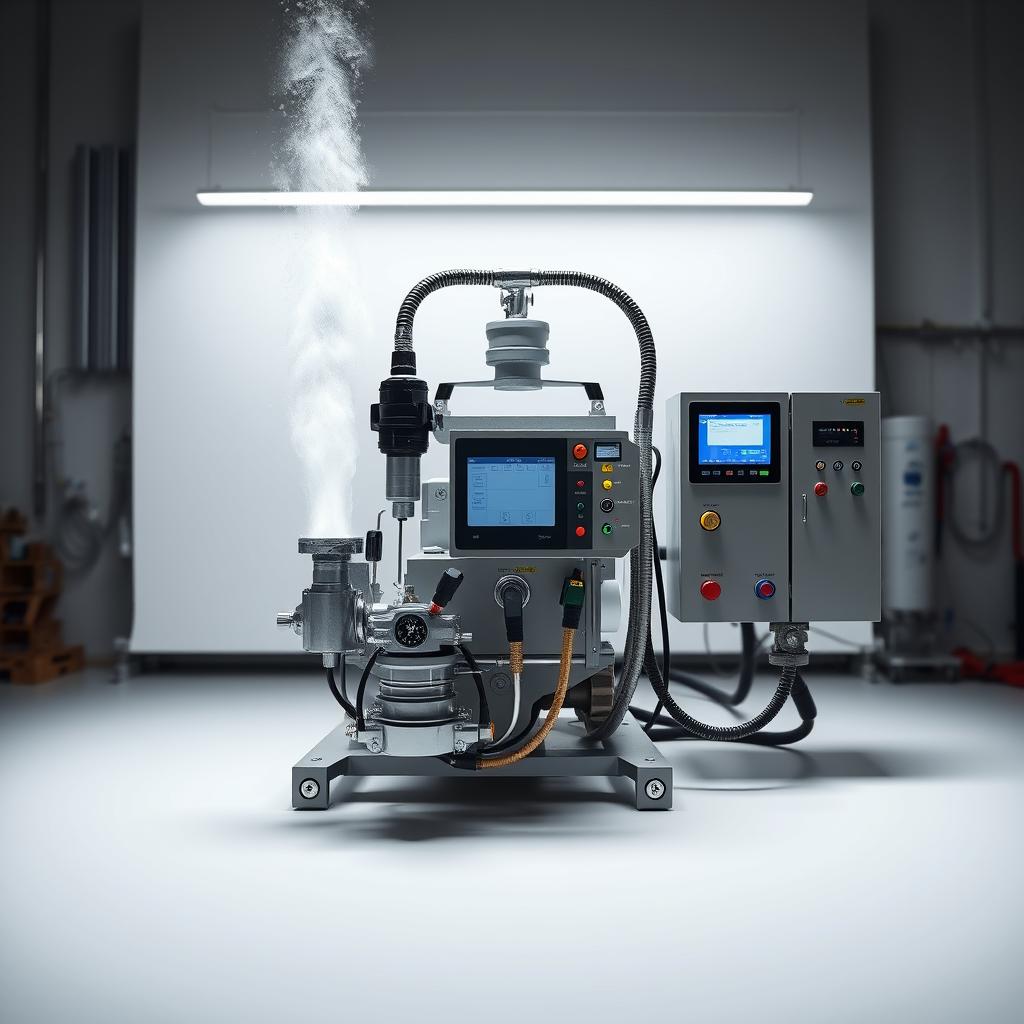
Ask any experienced spray foam applicator what their biggest insurance concern is, and off-ratio will come up quickly. Off-ratio incidents — where the A and B components of spray foam mix at the wrong ratio — are the most common source of large insurance claims in the spray foam industry.
They're also the claims most standard GL policies exclude.
What Is Off-Ratio Spray Foam?
Spray polyurethane foam is a two-component system: the A component (MDI isocyanate) and the B component (polyol resin blend). When mixed and sprayed at the correct ratio — typically 1:1 by volume — the foam cures properly, adheres correctly, and performs as specified.
Off-ratio occurs when the mix is wrong. The A and B components don't arrive at the spray gun in the correct proportions. This can happen because of:
- Equipment failure — a pump malfunctions, a proportioner loses calibration, a heated hose fails
- Temperature issues — components too cold or too hot change viscosity and flow rate
- Pressure imbalance — A and B sides not at equal pressure
- Operator error — incorrect setup, using wrong drum sizes, equipment not properly primed
The resulting foam may look correct during application. Problems surface later.
What Off-Ratio Foam Does
Off-ratio spray foam can fail in several ways:
Structural failure: Foam that didn't cure correctly doesn't have the right density, R-value, or adhesive strength. It may delaminate from the substrate, crumble, or shrink.
Off-gassing: Under-reacted MDI — from a high-A-side off-ratio — can release MDI vapor into the building. MDI is a respiratory sensitizer. Off-gassing in an occupied space is a serious health and liability event.
Remediation requirements: Off-ratio foam often cannot be remediated in place. It must be fully removed — which means demolition of the area, disposal of contaminated materials, encapsulation or air testing, and rebuilding. On a large commercial project, this can cost six figures.
Warranty violations: Foam manufacturers have strict application tolerances. Off-ratio application voids the product warranty. The GC and building owner come back to the applicator.
Why Standard GL Excludes Off-Ratio Claims
Most spray foam contractors carry a standard general liability policy. These policies contain two exclusions that commonly apply to off-ratio claims:
The Pollution Exclusion
Standard GL policies contain language excluding coverage for bodily injury or property damage arising from the "discharge, dispersal, seepage, migration, release, or escape" of "pollutants." MDI isocyanate — released during off-gassing from off-ratio foam — qualifies as a pollutant under this language.
When a building occupant files a bodily injury claim from MDI exposure, the GL carrier cites the pollution exclusion and denies coverage.
The Faulty Workmanship / Product Exclusion
Standard GL policies also exclude damage to "your work" or "your product" resulting from defects in that work. Off-ratio foam, argued the carrier, is a defect in the applicator's work — and the cost to remove and replace it is excluded.
Both exclusions often apply to the same off-ratio incident, giving the carrier two separate bases for denial.
What Off-Ratio Coverage Actually Is
Off-ratio coverage is a policy endorsement or form modification that specifically overrides the exclusions that would otherwise remove coverage for off-ratio spray foam claims.
A proper off-ratio endorsement:
- Overrides the pollution exclusion for bodily injury and property damage arising from off-ratio foam application
- Overrides the faulty workmanship/product exclusion for the remediation costs associated with removing and replacing off-ratio foam
- Extends completed-operations coverage to off-ratio claims discovered after the job is complete
Some spray foam-specific GL forms include off-ratio coverage as a baseline feature. Others require an explicit endorsement. Either way, you should be able to point to the specific policy language that covers off-ratio incidents before binding.
How Much Does Off-Ratio Coverage Cost?
Off-ratio coverage typically adds a modest amount to your GL premium — far less than the deductible on a single off-ratio remediation claim. On a commercial project with thousands of square feet of spray foam, remediation costs can exceed $100,000 easily.
The math is simple: paying more for off-ratio coverage costs less than one uninsured remediation claim.
What to Ask Before Binding Your Next GL Policy
Before you sign your next GL policy, ask your insurance provider three specific questions:
- "Does this policy cover off-ratio spray foam claims?" — Ask for the specific endorsement name or form number.
- "Is the pollution exclusion modified for spray foam chemicals?" — If the answer is no, assume MDI exposure claims are excluded.
- "Does completed-operations coverage apply to off-ratio claims discovered after the job?" — This matters for delayed-discovery claims.
If your current provider can't answer these questions clearly, you may be paying for insurance that won't respond when you need it most.
Off-Ratio Coverage at Spray Foam Insurance Company
Off-ratio coverage is a standard part of every GL program we write for spray foam contractors. We don't treat it as an optional add-on — it's the most important coverage distinction between a spray foam insurance program and a standard GL policy.
When we quote your spray foam GL, we verify the off-ratio language before binding. When you need a certificate, we issue it same-day. And when a claim arrives, you reach a person who understands what off-ratio means — not a claims handler reading the pollution exclusion to you.
Need this coverage for your spray foam business?
Get a real quote in about 15 minutes — we shop A-rated specialty markets for spray foam contractors.